
ESSAY COMPETITION:
FREEDOM OF SPEECH
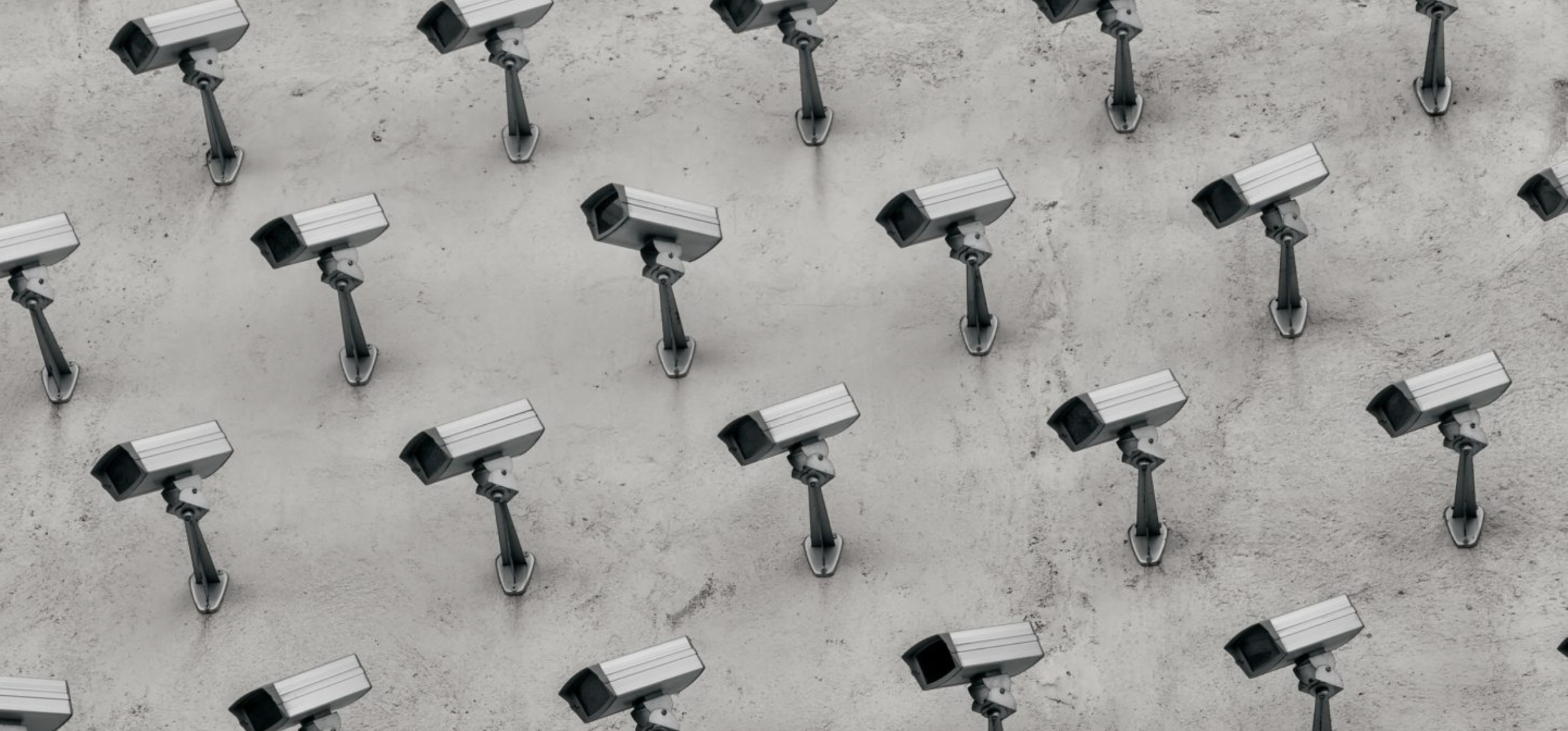
The idea that every individual possesses a natural right to speak their mind has long been considered a foundation of modern society. It is an ideal that sounds absolute in principle. Yet, throughout history, this right has lived in a state of constant tension with the power of the state. While we often view freedom of expression as a shield for the citizen, the reality is that the "rules of speech" are often drafted in secret, negotiated between governments and the institutions that control our flow of information.
As the world moved into the digital age, many believed the era of restricted information was over. Instead, we have seen a new kind of "partitioning" of public discourse. Traditional laws and private community standards have met in the middle, creating a landscape where what is "legal" to say and what is "allowed" to be heard are two very different things.
Some observers see modern speech regulations—such as the Online Safety Act—as a necessary evolution to protect a fragile democracy from digital harm. They argue that without these boundaries, the "marketplace of ideas" would be overwhelmed by hostility and misinformation.
Others see these developments as a dangerous deal that gives the state unprecedented control over the human mind. They argue that by trading the right to offend for the promise of safety, we have handed the biggest victory to those who wish to manage dissent.
But how do you see it? Is a regulated conversation still a free one, or is the only true freedom of speech the freedom that remains unmonitored?
About the essay:
Please note that this essay competition may differ from many others in that it does not have a set question.
Rather, we are looking for readable essays that should focus on current or historical issues tied to the freedom of speech. Aside from this, there is a lot of freedom for the writer. Your essay may choose to examine the core principles that justify free speech, or critically examine the justifications for its legal and social limitations. Alternatively, you might choose to document personal encounters with speech restrictions or analyse pivotal moments in the history of censorship and free expression.
There is no specific requirement to reference sources, although we recommend including endnotes for any contentious claims or niche historical facts.
Essays should be 1,500 to 2,000 words in length.
Prizes
First prize: £400
Second prize: £200
Third prize: £100
The top two prizes will be divided equally between the student and the school.
It is open to students aged 15 to 18 years old. They must be resident in the United Kingdom. The essay competition would suit students who want to improve their personal statements in their UCAS forms.
Deadline and Awards Ceremony
The deadline for entries is 10 p.m. on Sunday, May 10, 2026 (GMT). Each candidate may only submit one entry, but there is no limit to the number of entries from any school. There is no entry fee. See more terms and conditions.
Any queries should be emailed to competitions@consensus-uk.com
Please submit entries below: